
Do your legs feel like they’re dragging by the end of the day? Do they ache, throb, or feel swollen after a long shift on your feet or a full day at a desk? You’re not imagining it, and you’re not alone. That “heavy leg” feeling is one of the most common complaints vein specialists hear, and it’s often your body’s way of telling you something about your circulation.
At Vein Care Center of Amelia Island, we see patients every week who assumed tired, achy legs were just a normal part of getting older, being on their feet all day, or having “bad genes.” In many cases, though, heavy legs are a sign of an underlying vein issue that can be diagnosed and treated. Here’s what’s really going on, and what you can do about it.
Table of Contents
What Does “Heavy Leg” Syndrome Feel Like?
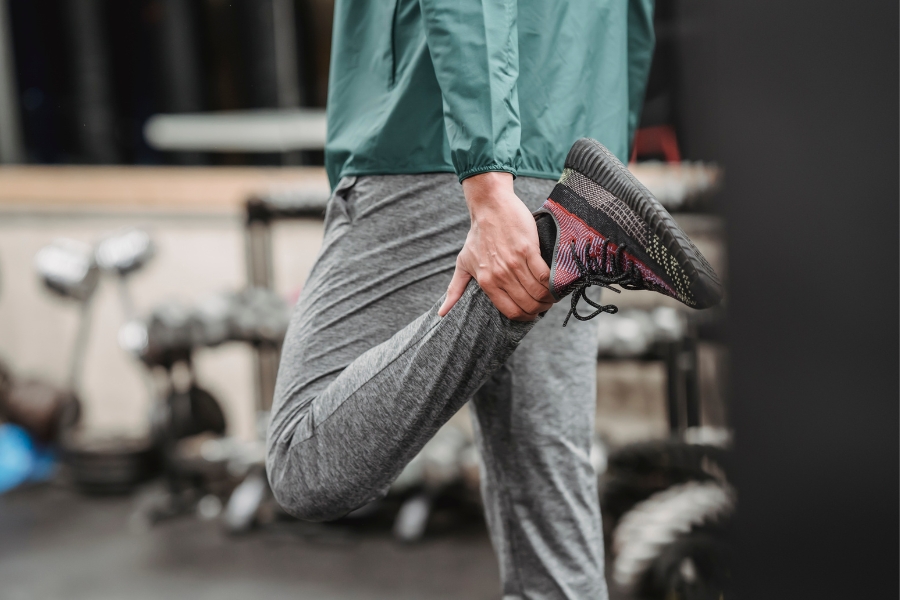 Heavy leg syndrome isn’t an official diagnosis so much as a description of symptoms. People typically describe it as:
- A dull, weighted, or fatigued feeling in the lower legs
- Aching or throbbing that builds throughout the day
- Mild swelling around the ankles or calves
- Tightness or fidgetiness, especially in the evening
- Symptoms that ease when you raise your legs or lie down
If this sounds familiar, especially if it worsens with standing and improves with rest, your veins may be struggling to do their job.
Why Your Legs Feel Tired: The Circulation Connection
Your leg veins have a tough assignment: they have to move blood all the way back up to your heart, against gravity, every single day. To do this, they rely on one-way valves that keep blood flowing upward, plus the pumping action of your calf muscles.
When those valves weaken or become damaged, blood can flow backward and pool in the lower legs rather than circulate efficiently toward the heart. This condition is called chronic venous insufficiency (CVI), and it’s one of the leading causes of that heavy, tired feeling. According to the Cleveland Clinic, CVI develops when leg vein valves become damaged, causing blood to pool and increasing pressure in the veins, leading to symptoms such as swelling, aching, and a full or heavy sensation in the legs.
A few common contributors to poor leg circulation and heavy legs include:
- Extended sitting or standing – Jobs that keep you stationary for hours reduce the calf-muscle pumping action your veins depend on.
- Varicose veins – Enlarged, twisted veins are often a visible sign that valves aren’t working properly.
- Pregnancy and hormonal changes – Increased blood volume and hormonal shifts can put extra pressure on leg veins.
- Age – Vein valves can weaken naturally over time.
- Family history – Venous insufficiency and varicose veins tend to run in families.
- Obesity and inactivity – Extra weight and a sedentary lifestyle both add pressure and reduce circulation efficiency.
Left unaddressed, chronic venous insufficiency can progress beyond discomfort. The Mayo Clinic notes that untreated venous insufficiency can eventually lead to skin changes, slow-healing wounds, and ulcers, which is why catching and treating it early matters.
When Heavy Legs Are More Than Just Fatigue
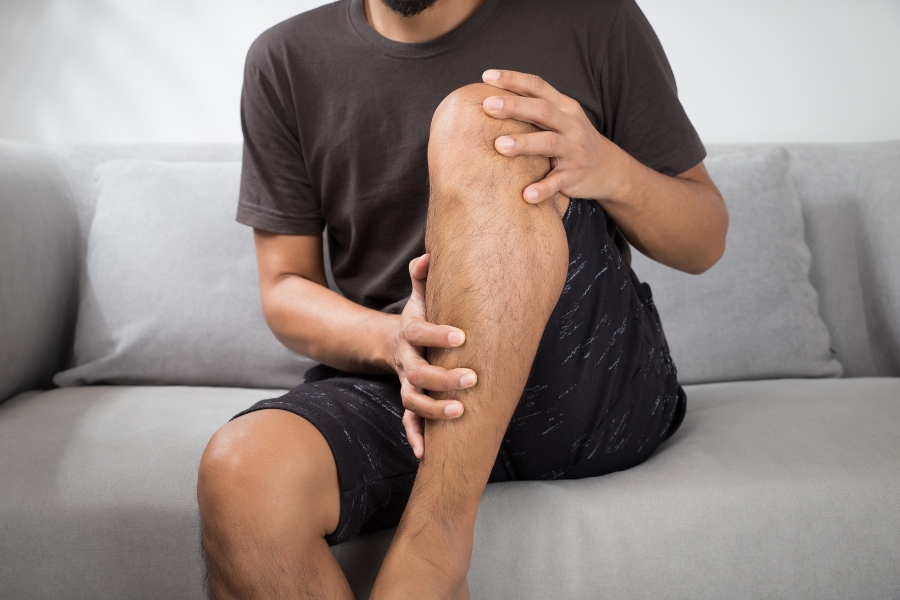 Occasional tired legs after a long travel day or an intense workout are normal. But if you’re noticing a pattern of heaviness that shows up most days, gets worse as the day goes on, or comes with visible varicose veins, swelling, or skin discoloration, it’s worth having your veins evaluated by a specialist. These are classic signs of venous insufficiency, and it tends to progress gradually if left untreated.
How to Improve Circulation and Ease Heavy Legs
The good news: there’s a lot you can do to support healthy circulation, both at home and with professional treatment.
Move regularly. Walking activates the calf muscles that help pump blood upward. If you sit or stand for long stretches at work, take short movement breaks every 30–60 minutes.
Raise your legs. Propping your legs above heart level for 15–20 minutes a day helps gravity assist your veins rather than work against them.
Wear compression stockings. Graduated compression gently squeezes the lower leg to help blood move toward the heart and can meaningfully reduce heaviness and swelling.
Stay hydrated and watch your sodium intake. Dehydration and excess salt can both contribute to fluid retention and swollen, heavy-feeling legs.
Maintain a healthy weight. Reducing excess pressure on your leg veins can ease symptoms and slow the progression of venous issues.
Avoid crossing your legs for long periods, as this can restrict blood flow to the knee.
See a vein specialist if symptoms persist. Lifestyle changes help, but they can’t repair damaged vein valves. If your legs feel heavy regularly, a proper evaluation can determine whether an underlying vein condition is the cause.
How We Can Help
At Vein Care Center of Amelia Island, Dr. Gabor Kovacs and our team specialize exclusively in diagnosing and treating venous conditions, including chronic venous insufficiency, which often causes heavy, tired legs. Using ultrasound evaluation and minimally invasive varicose vein treatment options, we can identify exactly what’s happening under the surface and build a treatment plan that fits your life.
You don’t have to accept heavy, achy legs as your new normal. If your legs are telling you something, we’re available to listen and help.